Pricing Your Private-Label Product Wrong — And Losing Money on Every Sale
Most first-time importers underestimate the true cost of getting a product to retail shelf. Here's the math behind landed cost, retail margin, and MAP pricing — and how to build a product that's actually profitable.
One of the most common — and most painful — mistakes in private label product development is getting the pricing math wrong. A brand goes through months of sourcing, sampling, and production, lands a beautiful product, and only then runs the numbers to discover that the factory cost, freight, duties, and operating expenses make it impossible to hit a retail price that's competitive. Or worse: they price it, start selling, and realize they're losing money on every unit they ship. Understanding the full cost structure is how you build a truly margin-friendly product line — from the first design decision, not the last.
The Real Math of Landed Cost
The factory unit cost is just the beginning. Here's what a complete landed cost calculation needs to include:
Ex-factory price (EXW or FOB): What the factory charges per unit at your agreed order quantity.
Freight: Ocean freight for a 20ft container typically runs $1,800–$4,500 depending on origin port and season. Divided across your unit count, this is your per-unit freight cost. Air freight can be 3–6x higher.
Import duties and tariffs: Rates vary significantly by HTS code and country of origin. For many China-manufactured goods, Section 301 tariffs added 7.5–25% on top of standard duty rates. Know your HTS code before you price your product.
Customs brokerage and port fees: Budget $300–$600 per shipment, allocated across units.
Domestic freight: Drayage from port to your warehouse, and from warehouse to customer or retailer.
Warehousing and fulfillment: 3PL pick-and-pack fees, storage, and FBA fees if you're selling on Amazon.
Payment processing and platform fees: 2.9% + $0.30 per transaction for DTC; Amazon's referral fees typically run 8–15% depending on category.
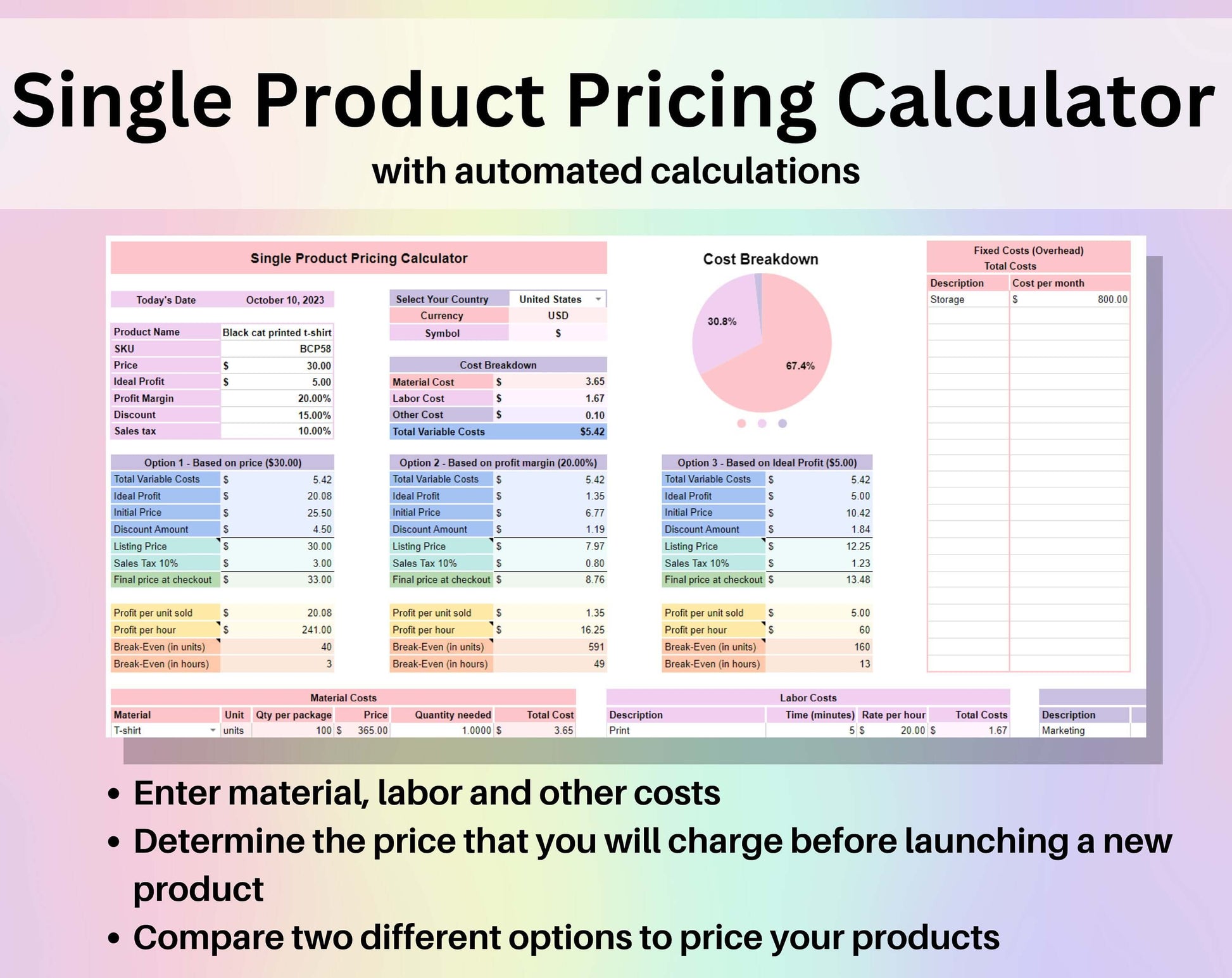
For a typical consumer goods product with an ex-factory cost of $8.00, total landed and fulfilled cost commonly runs $14–$18 per unit before a single dollar of marketing or operating overhead is allocated. A brand pricing that product at $24.99 retail is operating on margins that leave very little room for anything to go wrong.
Retail Margin Requirements by Channel
Different channels have different margin expectations — and understanding them is essential for building a viable retail price architecture:
Specialty retail and boutiques: Typically work on 50% keystone margin — they buy at half the retail price. A product retailing at $29.99 needs to wholesale at $14.99 or lower.
Chain retail: May require 55–65% margin, especially for promotional or end-cap placement. Lower wholesale prices with higher volume commitment.
Amazon: Between referral fees, FBA fees, and advertising costs, effective margin erosion can be 35–45% of selling price. Products need to be built for that math from the start.
DTC/direct: Higher revenue per unit, but customer acquisition cost (CAC) is the hidden variable. A DTC brand with a CAC of $40 on a $35 product is burning cash regardless of gross margin.
How to Build Margin In From the Start
The time to address pricing is during the design and sourcing phase, not after production. Every material choice, every feature, every tolerance specification has a cost implication. Cost control in product development means asking: does this feature justify what it adds to the unit cost, and does the resulting product support the margin structure we need?
For private label brands, the key levers are: factory price negotiation (order volume, payment terms, design simplification), duty engineering (product classification and material choices that may qualify for lower duty rates), and packaging cost optimization (right-sizing to eliminate dimensional weight penalties in shipping).
A product that's built to be margin-friendly across all your channels is a product that gives your brand room to breathe — to invest in marketing, absorb seasonality, and offer promotions without destroying profitability.
WTDA builds pricing architecture into every product engagement. We work backward from your target retail price and channel requirements to define the factory cost ceiling before design begins. If you're not sure whether your current product economics work, we can run the numbers with you.
Don't Make These Mistakes
WTDA handles factory selection, quality control, design, and logistics — so you can focus on selling. Start with a free project brief.