Skipping Prototyping: The Most Expensive Shortcut in Product Development
Jumping straight from concept to mass production feels like it saves time and money. It rarely does. Here's what skipping the prototyping phase actually costs — and what a proper product development process looks like.
Every founder has felt the pull: the product idea is solid, the market opportunity is clear, and every week spent on prototyping is a week your competitor might be gaining ground. So you skip the iteration phase and go straight to tooling and production. It's a decision that costs first-time importers an average of $15,000 to $80,000 in rework, scrapped tooling, and delayed launches — and it's one of the most preventable mistakes in product development.
What Prototyping Actually Prevents
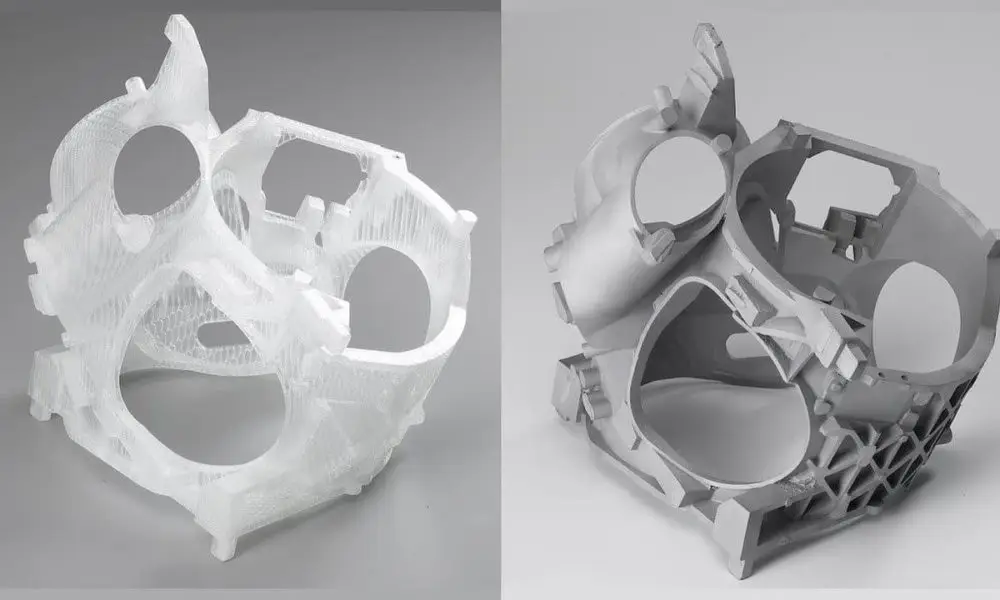
A prototype isn't just a visual mockup — it's a working hypothesis about whether your product can actually be manufactured at the quality and cost you need. The prototyping phase surfaces problems that are cheap to fix at the concept stage but expensive at every stage after:
Dimensional errors that make components not fit together — discovered in a $200 3D-printed prototype rather than a $12,000 steel mold.
Material failures — a fabric that pills after 20 uses, a plastic that warps under heat, a coating that scratches off in transit.
Ergonomic problems — a handle that's uncomfortable at scale, a lid mechanism that's frustrating in actual use.
Aesthetic gaps — the color that looked great in a rendering looks flat and cheap on the physical product.
Packaging fit issues — the product dimensions that seemed reasonable on paper don't fit the retail packaging you planned.
Each of these problems, caught in a product development prototype at a cost of hundreds of dollars, would cost tens of thousands to correct after tooling is cut and production has begun.
The Tooling Trap
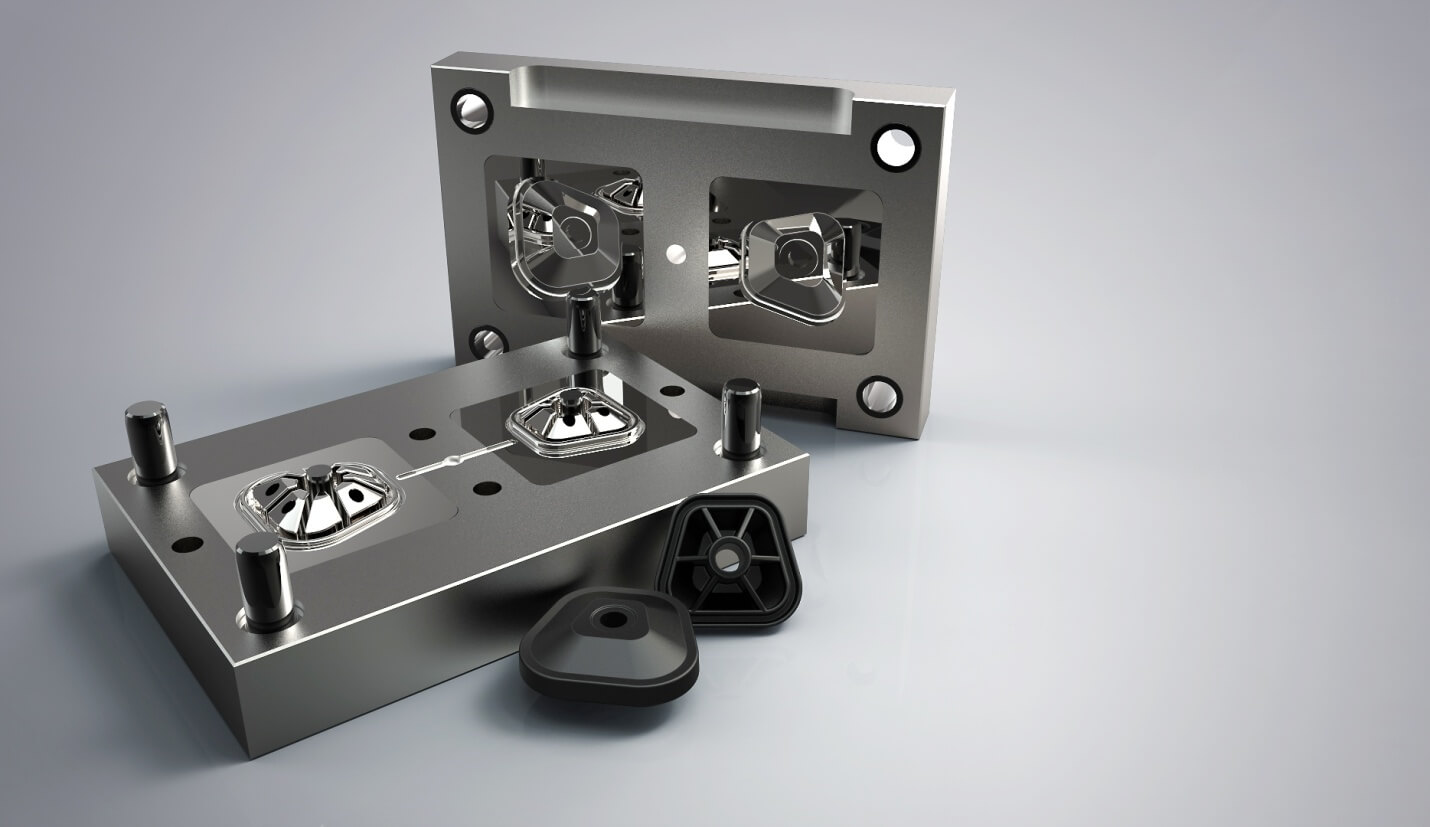
Here's where skipping prototyping gets genuinely painful: tooling. For most hard-goods products — anything molded, stamped, cast, or formed — you'll need custom tooling before mass production can begin. A simple plastic injection mold for a consumer product can run $3,000 to $20,000 depending on complexity. A die-cast metal component might run $10,000 to $40,000. These are sunk costs — if the design changes after the mold is cut, you're modifying or scrapping it.
Brands that skip the prototype phase often discover post-tooling that the product needs a fundamental design revision. At that point, the choice is between accepting a flawed product or absorbing the tooling cost a second time. Neither is good. The right sequence is always: concept, 3D design, prototype, validation, then tooling.
In product development, the prototype-to-tooling bridge is also where manufacturing feedback matters most. A good factory partner will flag design elements that are difficult or expensive to produce — tight tolerances on non-critical surfaces, undercuts that complicate molding, surface finishes that add cycle time. Incorporating that feedback before tooling saves money and improves quality.
How Many Rounds of Samples Do You Actually Need?
The answer depends on product complexity, but a general framework is:
Round 1: 3D-printed or handmade prototype to validate form, fit, and basic function. This is often done locally or via a design studio.
Round 2: Pre-production product samples from the factory using production-intent materials, processes, and finishes. This is where manufacturing feasibility is confirmed.
Round 3: Golden sample — the approved, signed-off unit that serves as the benchmark for the production run. Everything that leaves the factory should match this sample.
Consumer goods with complex mechanisms, electronics, or children's product requirements may need additional rounds. The investment is almost always worth it. A brand that launches a product that performs as expected — that delivers on the promise implicit in its packaging and price point — builds repeat purchase and word-of-mouth. A brand that ships a product with design flaws builds returns and one-star reviews.
WTDA's product development process begins with 3D design and structured prototyping before any factory conversations happen. We've seen what happens when that sequence is reversed, and we won't let our clients make that mistake. If you're at the concept stage and need a clear path from idea to retail-ready product, let's talk.
Don't Make These Mistakes
WTDA handles factory selection, quality control, design, and logistics — so you can focus on selling. Start with a free project brief.