Products Without a Brand Story Don't Survive on Retail Shelves
In today's retail and DTC landscape, products without a narrative get ignored. Here's how to build a brand story that resonates with buyers, wins shelf space, and creates lasting customer loyalty.
You've sourced a great product. The quality is there. The price is right. The packaging looks professional. But in a pitch meeting with a chain buyer, or on an Amazon search results page, or at a trade show booth, something isn't landing. The product isn't compelling in the way you know it should be. More often than not, the missing ingredient isn't the product itself — it's the story around it. Brand development is not a marketing add-on. It's the reason someone chooses your product over the functionally identical option sitting next to it on the shelf.
What Brand Story Actually Means (and Doesn't)
"Brand story" is a phrase that gets used loosely enough to mean almost nothing. In a practical, commercial sense, it means: does a buyer or consumer instantly understand who this product is for, what it believes in, and why it exists? Not from reading a paragraph on your website — from a 3-second glance at your packaging, your booth, your Amazon listing, or your Instagram feed.
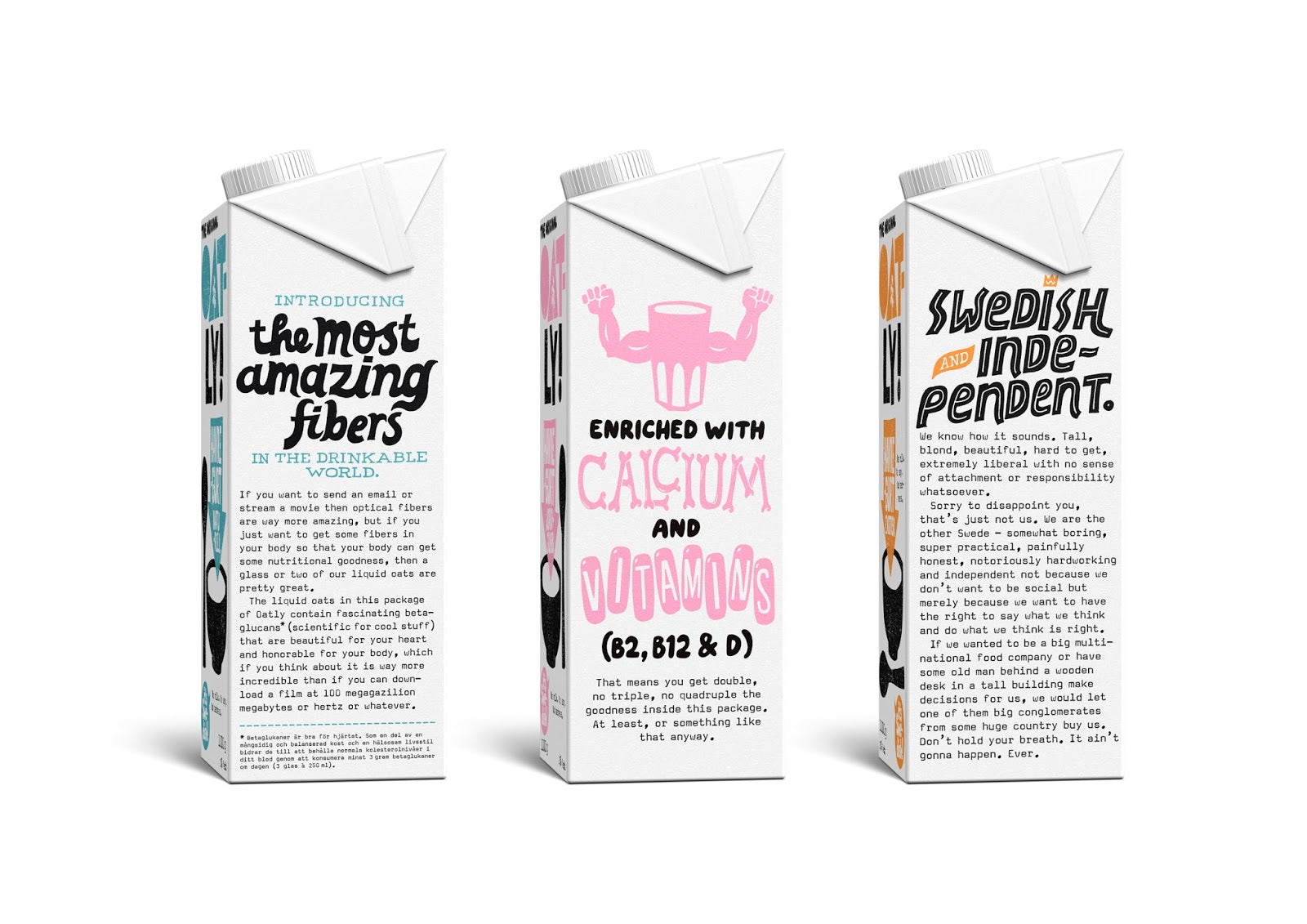
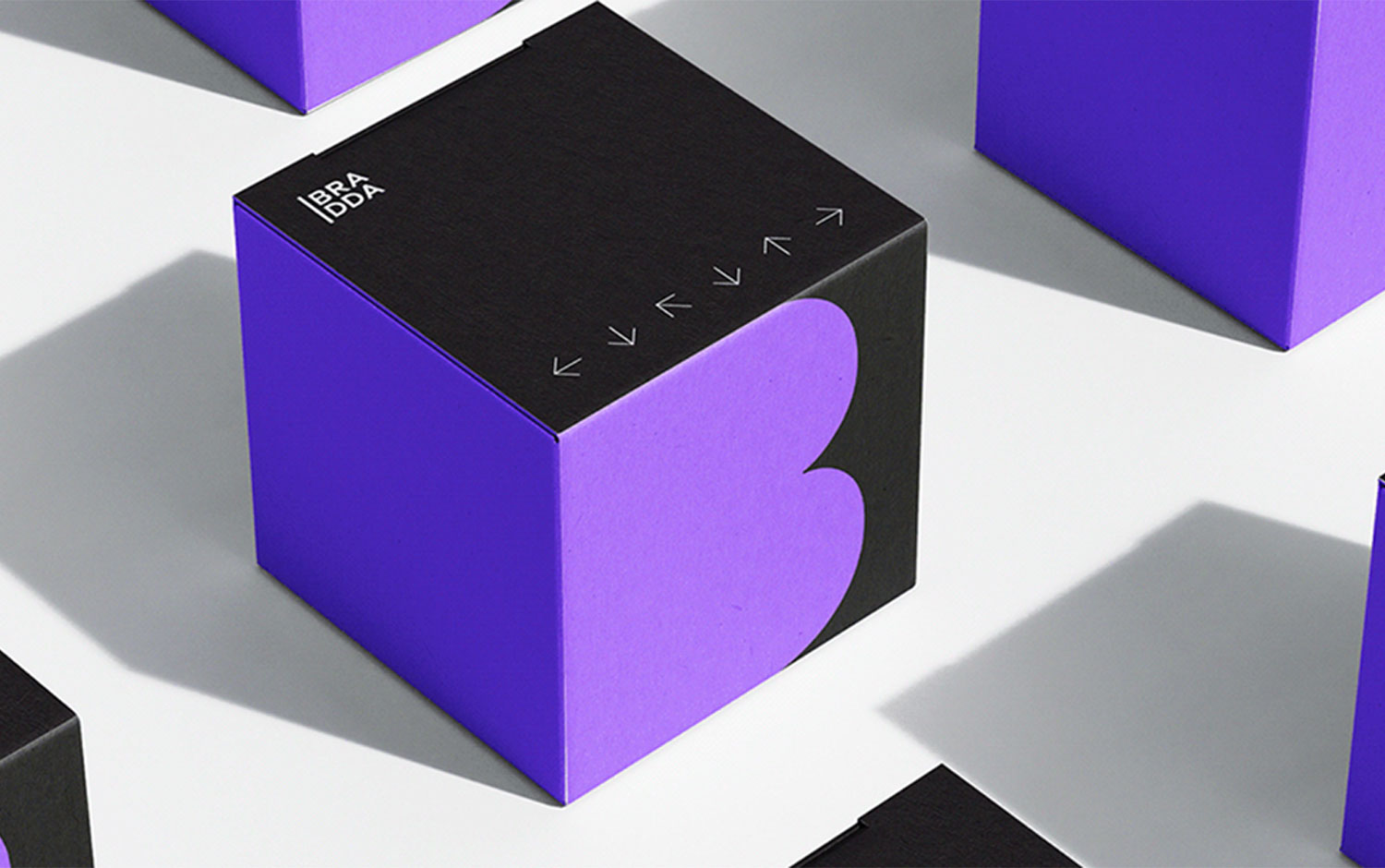
It is not your founding anecdote, though that can be an element. It is not your mission statement. It is the accumulated clarity of every design and communication decision you've made: the brand naming that signals the right thing to the right person, the product photography that creates an immediate context for how the product lives in someone's life, the copy voice that speaks directly to your specific customer rather than to an abstract consumer demographic.
The brands that build this clarity have a structural commercial advantage. A buyer reviewing 50 line sheets at a trade show will spend more time with the one where everything — name, packaging, photography, price point — is coherent and compelling. A consumer browsing on Amazon will click on the listing where the hero image immediately communicates value and lifestyle context, not just the product against a white background.
Building a Brand Story That Connects
Effective brand development starts with specificity. Who specifically is this for? Not "eco-conscious millennials" — but a 34-year-old woman who furnishes her apartment from independent brands, reads ingredient labels, and expects the products she buys to look as considered as the decision to buy them. The more precisely you can describe that person, the more precisely every subsequent brand decision can be calibrated to resonate with them.
From that foundation:
Brand naming should do real work. A name that communicates category, personality, and positioning in two syllables is a significant asset. Names that are generic, hard to pronounce, or that mean nothing to the target customer are a liability that shows up in every marketing channel.
Product photography is one of the highest-leverage investments a brand can make. In e-commerce, the image is the product — it is the first and often only impression a consumer has before deciding to click or scroll. Lifestyle photography that places the product in the context of how the target customer lives is consistently more effective than pure product shots.
Social media marketing is the testing ground where brand voice and story get refined in real time. The content that earns engagement tells you what aspect of your story resonates. Brands that treat social as a distribution channel rather than a dialogue miss this feedback loop.
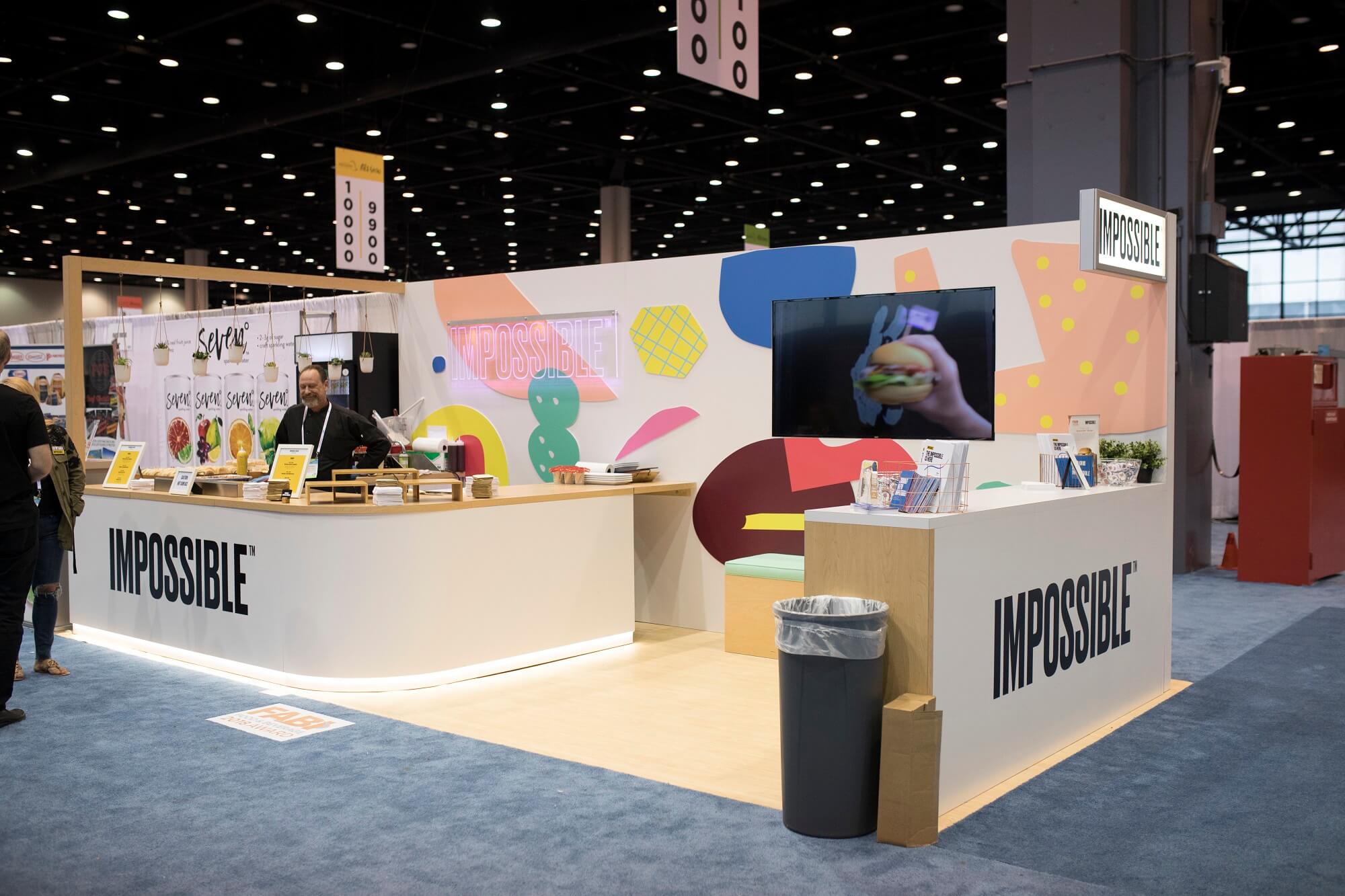
Trade show presence is a concentrated expression of brand story — every element of your booth, from the physical displays to the conversation your team has with buyers, needs to deliver a coherent and compelling narrative.
Why Story Matters More as Products Proliferate
The democratization of China sourcing has made it easier than ever to get a product made and into market. That same dynamic has flooded every category with functionally similar options. In a world where the product itself is increasingly commoditized, the brand story is often the only durable differentiator. Consumers and buyers alike are choosing the brand they feel something about — the one whose values, aesthetic, and narrative align with their own self-image.
This is not a soft insight. It is why brands with strong stories command higher retail prices, lower customer acquisition costs, and more durable retail relationships than equivalent products that are positioned as commodities. Building that story is brand development — and it is work that pays compounding returns from the first day a buyer or consumer encounters your product.
WTDA brings brand development, product photography, and positioning work into every product engagement — because we know a great product without a compelling story is a missed opportunity. If you're building a new brand or repositioning an existing one, we'd love to help you find the story that makes everything else work.
Don't Make These Mistakes
WTDA handles factory selection, quality control, design, and logistics — so you can focus on selling. Start with a free project brief.